(513) 899-6005 (513) 899-6005

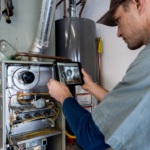
As it gets colder, Cincinnati homeowners with oil furnaces think about their fuel tanks. Keeping your home warm is a top priority, but rising fuel costs are a major concern. Managing heating expenses without sacrificing comfort means ensuring your system runs at peak performance. Improving oil furnace efficiency is the best way to do so.
Simple maintenance and preventative care can make a significant difference in fuel consumption. Here are some professional tips for maximizing your furnace’s performance.

Why Oil-Heated Homes Require Specialized Care
An oil furnace creates heat by igniting a fine mist of oil inside a combustion chamber. This process, while effective, produces soot and other byproducts that accumulate over time.
If these residues aren’t professionally cleaned away, they can coat critical components, restricting airflow and insulating heat exchangers. This buildup forces your furnace to burn more fuel for the same amount of heat, reducing its efficiency. The mechanical parts, like the burner nozzle and fuel filters, require specific knowledge to service correctly, making professional furnace maintenance essential for oil-heated homes.
3 Pro Secrets to Maximize Your Heating Oil Tank
Getting more from your heating oil doesn’t require a complete system overhaul. It often comes down to addressing a few key areas that greatly impact combustion and fuel quality. Our technicians focus on these three things to keep your furnace running efficiently.
1. Prioritize Burner Nozzle Maintenance
The burner nozzle is responsible for atomizing the heating oil, turning it into a fine spray that can be easily ignited. For efficient combustion, this spray pattern must be precise. Over time, the nozzle can become worn or clogged with small particles from the fuel.
When this happens, the oil doesn’t burn completely. Instead of clean heat, you get wasted fuel, increased soot production, and a less effective furnace. During a professional tune-up, a technician will inspect, clean, and often replace the burner nozzle to ensure your system burns oil as efficiently as possible.
2. Prevent “Slugging” in Outdoor Oil Tanks
Over time, a thick, dark substance known as sludge can form at the bottom of your oil tank. It is a combination of dirt, rust, and microbial growth that settles out of the fuel. When your oil level gets low, the sludge can be drawn into the fuel lines, causing serious clogs in filters and the burner nozzle.
This is a particular concern for outdoor tanks, where temperature fluctuations can cause condensation inside the tank, accelerating sludge formation. To prevent this, keep your tank at least half full during the winter. This reduces condensation and ensures the fuel intake line isn’t pulling from the very bottom where sludge accumulates.
3. Replace Both Air and Oil Filters Regularly
Your furnace relies on two different filters to operate correctly, and both of them are vital for efficiency. The air filter traps dust and debris from your home’s air, protecting the blower fan and keeping your indoor air clean. A clogged air filter restricts airflow, making the system work harder and use more energy.
The oil filter serves a similar purpose for the fuel itself, stopping sludge and other contaminants from reaching the burner assembly. If the oil filter becomes clogged, it can impede fuel flow, leading to poor performance or a system shutdown. While homeowners can change their air filter, the oil filter should be replaced annually by a qualified technician.
The Best Time to Schedule Oil Furnace Services
The ideal time to schedule your annual oil furnace tune-up is in the fall. By scheduling service before the heating season begins, you can avoid the rush and ensure your system is ready for the first cold snap.
Booking your appointment in early November gives you peace of mind that your furnace is clean, safe, and efficient. It also allows technicians to identify and fix any potential issues before they can cause a breakdown on a freezing Cincinnati night. You’ll benefit from more flexible scheduling and the confidence that your system is prepared for winter.
Warning Signs Your Oil System Is Wasting Fuel
Your oil furnace will often give you clues that it’s not running efficiently. If you notice any of the following signs, you should call a professional for an inspection. Ignoring them can lead to higher fuel bills and potentially costly repairs.
- Strange Smells: Strong oil or smoky odors
- Increased Fuel Consumption: Filling your fuel tank more often
- Soot or Black Smoke: Visible soot or black flue smoke
- Unusual Noises: Banging, rumbling, or squealing sounds
- Uneven Heating: Cold spots or inconsistent temperatures
Some of these issues can escalate quickly, so if you’re concerned about your furnace’s operation, don’t hesitate to call for service. A sudden breakdown is a major inconvenience, which is why we offer 24/7 emergency heating repair to restore your comfort.
Trust Your Oil Furnace to the Experts at Rick’s Heating & Cooling
Maintaining high oil furnace efficiency is the best way to manage your heating costs and ensure reliable warmth throughout the winter. From the burner nozzle to the oil tank, each part of your system plays a role in its overall performance. Entrusting your equipment to professionals who understand the specific needs of oil-burning systems is crucial.
For decades, Rick’s Heating & Cooling has provided expert oil furnace maintenance in Cincinnati and the surrounding areas. Our experienced technicians have the specialized skills to keep your system running safely and efficiently. We are committed to providing trustworthy service and helping our neighbors stay comfortable all season long.
For professional oil furnace maintenance in Cincinnati that you can count on, contact Rick’s Heating & Cooling to schedule your tune-up today.