(513) 899-6005 (513) 899-6005
By late winter, many homeowners start watching their furnace more closely. It still runs, but it’s louder, cycles are longer, or it requires occasional resets. You may wonder whether it’s safe to keep pushing it through the rest of the season or if you are taking a risk.
When an Aging Furnace Becomes a Safety Concern
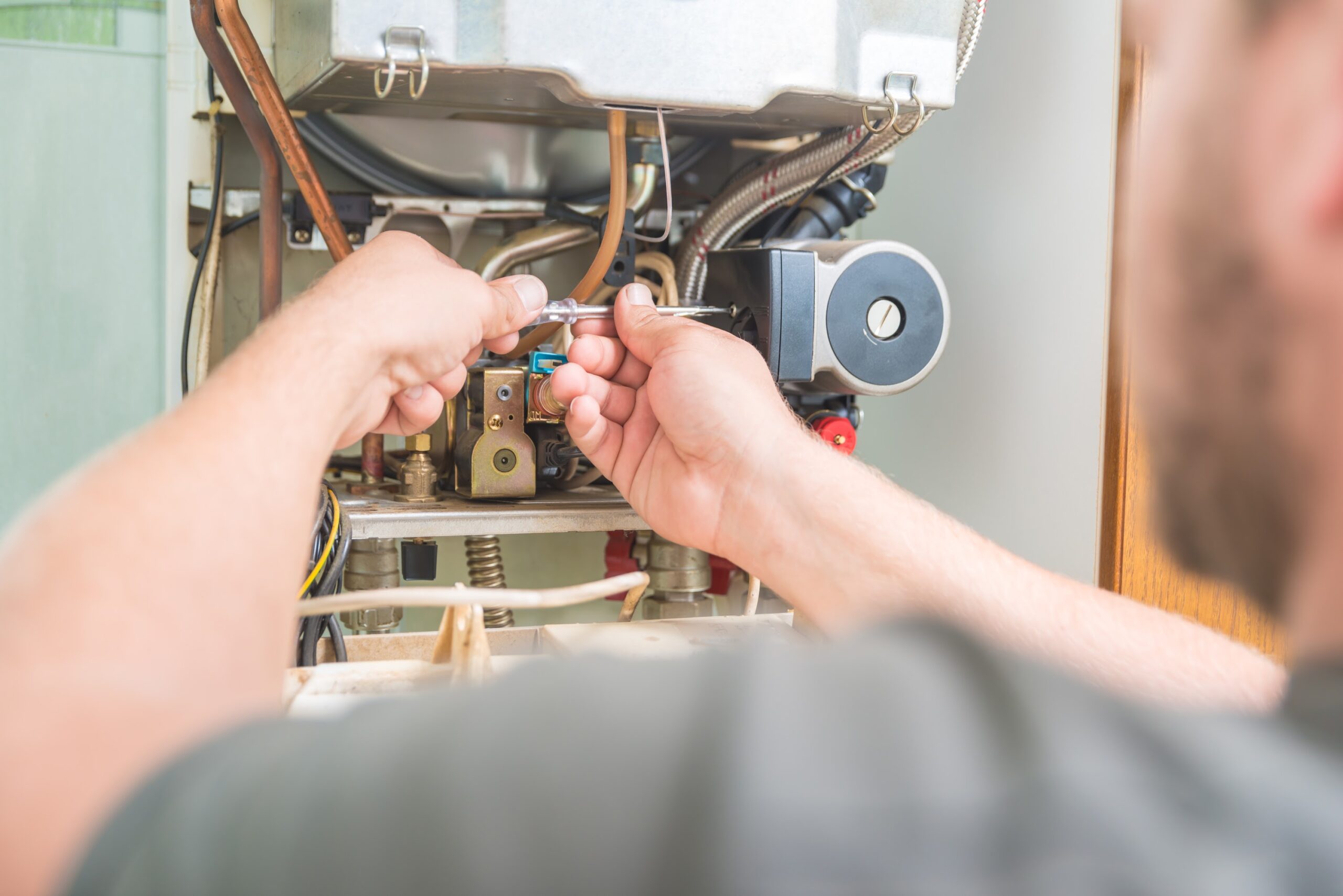
Most furnaces don’t fail without warning. They show patterns first. Longer run times, uneven heating, or strange noises often appear before a breakdown. As systems age beyond the 10-15-year mark, internal components wear from thousands of heating cycles. Heat exchangers expand and contract. Burners ignite repeatedly. Blower motors operate under steady winter demand.
The biggest concern with older, fuel-burning systems is combustion safety. A damaged heat exchanger can allow exhaust gases to mix with indoor air. Modern furnaces include multiple safety controls, but older units may not provide the same level of protection.
Carbon Monoxide Risk and What You Should Watch For
Carbon monoxide exposure is only possible in fuel-burning furnaces and not in electric models. Even then, it’s rare but serious. Because it has no smell or color, you rely on detectors and warning signs. A furnace that repeatedly shuts down, shows rust around the vent connector, or has soot buildup may be experiencing combustion or venting issues.
Working carbon monoxide detectors on every level of your home are critical. If an alarm sounds, leave the house and call for help. Do not reset the furnace and continue running it. Even without an alarm, symptoms like dizziness, nausea, or headaches while the furnace is operating require immediate attention. In these situations, continuing to run the system is not a safe choice.
Frequent Breakdowns and the Repair Pattern to Notice
One furnace repair during winter does not mean your furnace is unsafe. Components like igniters and flame sensors wear out and can be replaced. The concern grows when service calls start stacking up. If you have already replaced parts this season and new issues keep appearing, reliability is declining.
Repeated shutdowns, inconsistent ignition, or blower problems suggest the system is operating under strain. While each repair may restore heat temporarily, the chance of another failure increases. Late winter is often when homeowners weigh whether one more repair makes sense or whether early spring replacement planning would offer more stability.
Efficiency Decline and Rising Heating Costs
An aging furnace often loses efficiency before it fails. You may notice rooms feel cooler even though the thermostat setting has not changed. The system may run longer to maintain the same temperature. Utility bills may creep upward despite similar outdoor conditions.
Efficiency loss alone doesn’t make a furnace unsafe. However, it indicates that internal components are working harder to deliver the same level of comfort. If energy costs are climbing and performance is uneven, the system may be nearing the end of its practical lifespan. Continuing to run it for a few more weeks may be reasonable, but planning prevents having to make emergency decisions later.
When It May Be Reasonable to Finish the Season
Not every older furnace needs immediate replacement in February or March. If your system has recently passed inspection, runs smoothly, and shows no signs of combustion issues, you may be able to operate it safely through the remainder of winter. The difference is confirmation rather than assumption.
If the furnace starts reliably, maintains consistent airflow, and does not trigger safety concerns, you may choose to finish the season while preparing for spring evaluation. Having a professional assess the heat exchanger’s condition, combustion performance, and safety controls provides clarity and reduces uncertainty.
Using Late Winter as a Planning Window
Late winter can be a smart time to step back and plan rather than react. Emergency replacements during peak cold often limit equipment options and scheduling flexibility. Early spring allows more time to review efficiency ratings, consider system upgrades, and compare repair versus replacement without pressure.
Make a Safe, Informed Decision Before the Next Cold Front
We provide thorough furnace inspections, general repair services, emergency repair services, and honest replacement recommendations so you can make the safest decision for your home. If your system is showing signs of age or instability, schedule an evaluation with Rick’s Heating & Cooling in Morrow, OH.